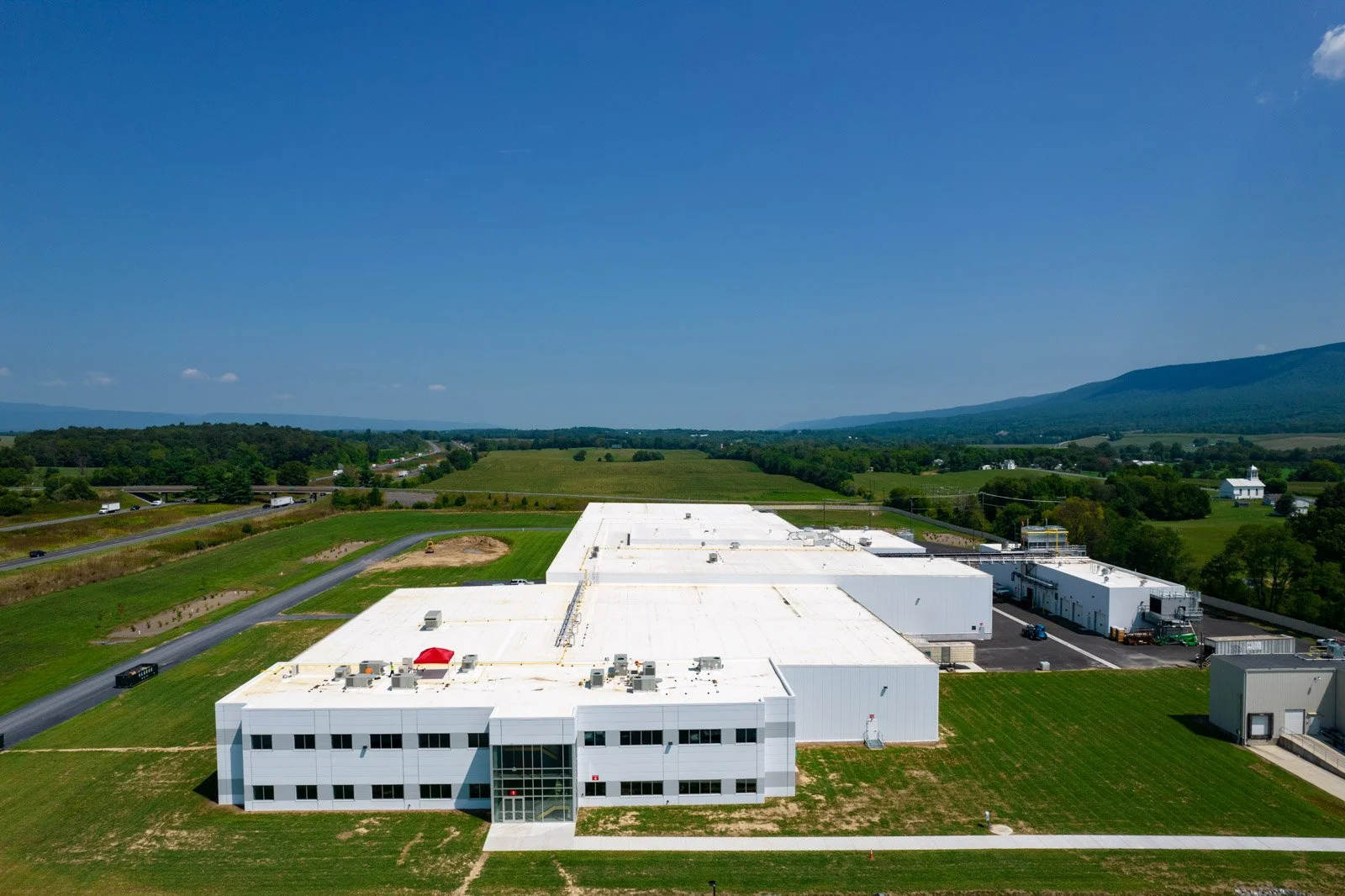
Inside Daikin Phase 2 in Verona, Virginia
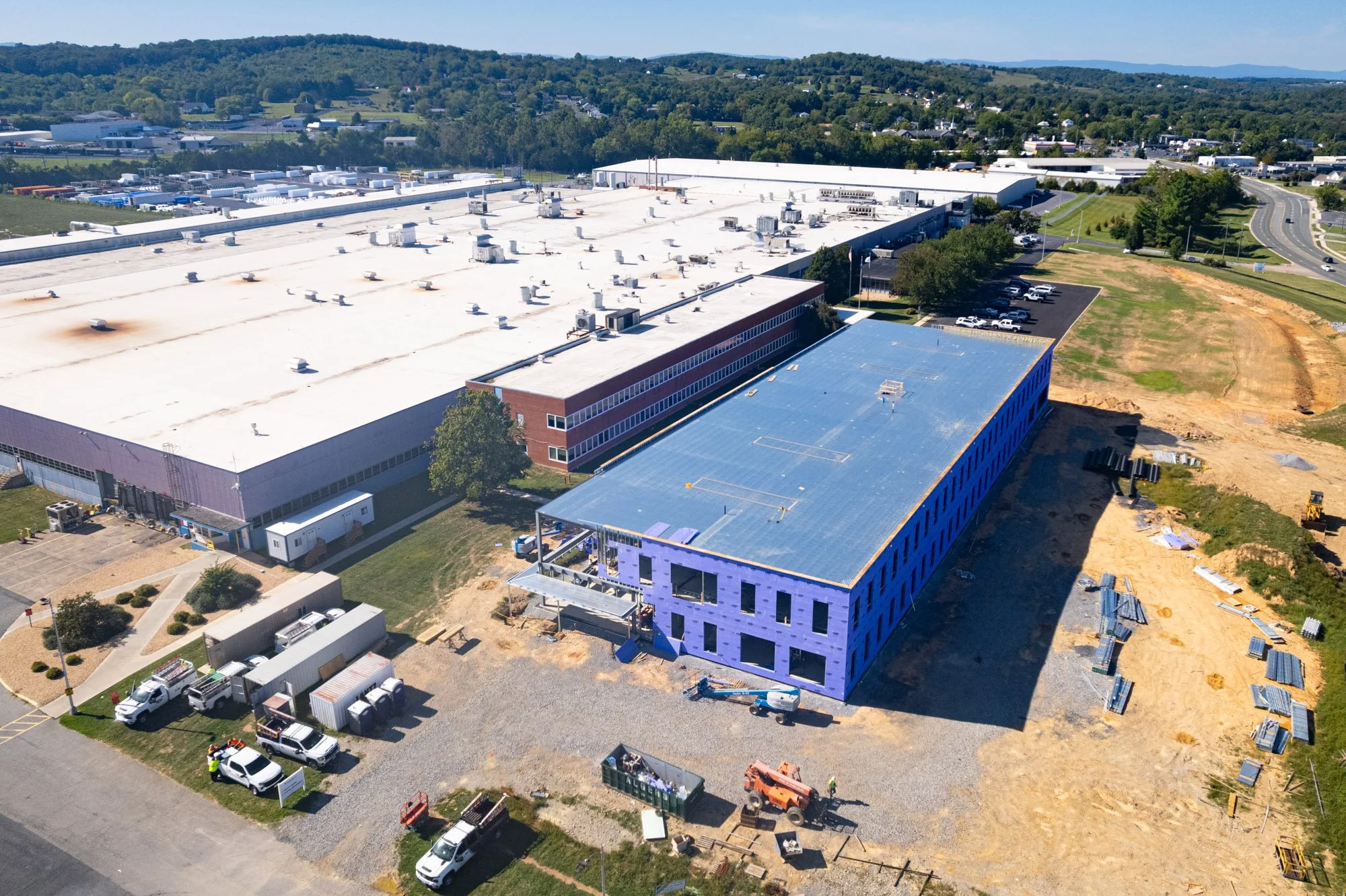
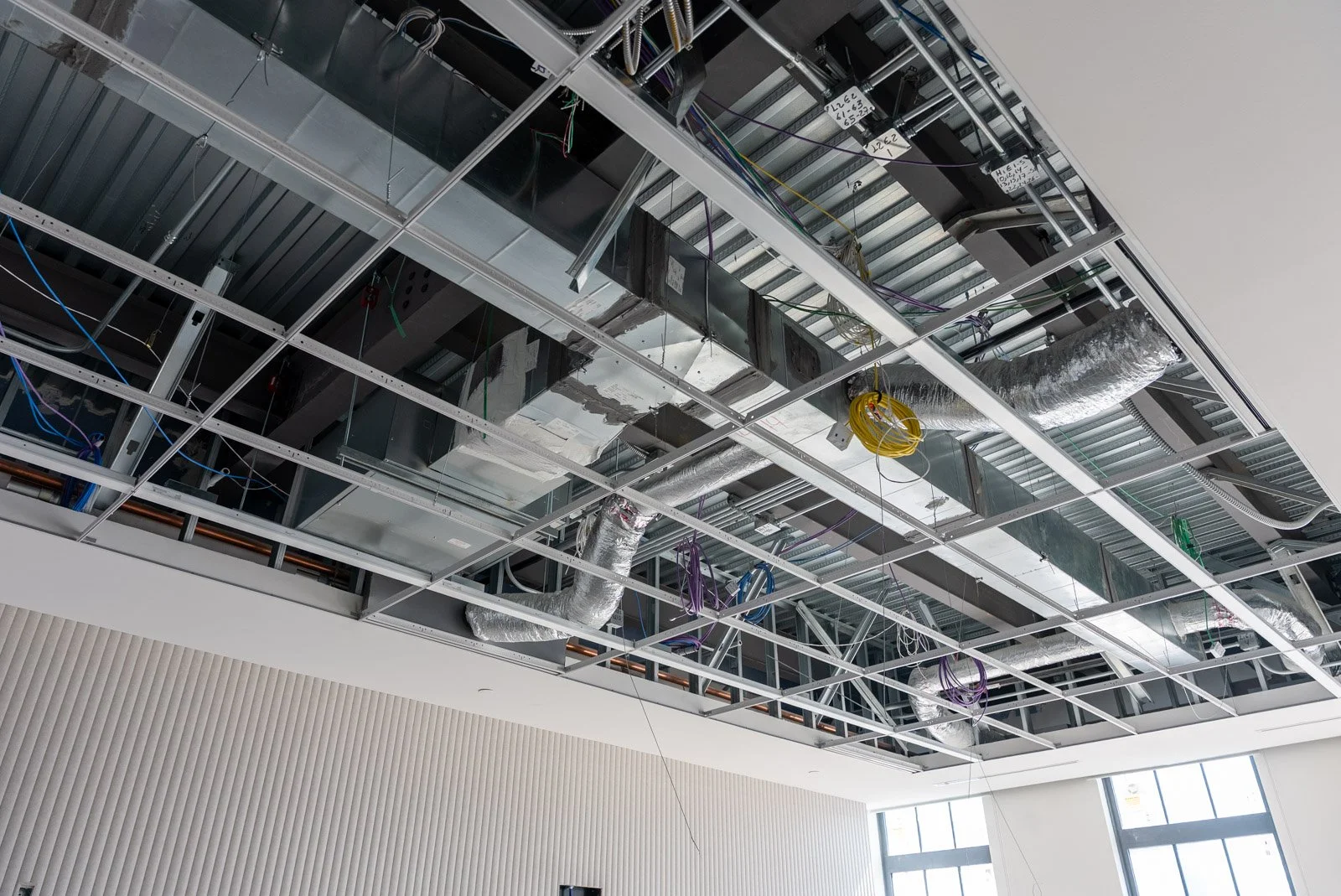
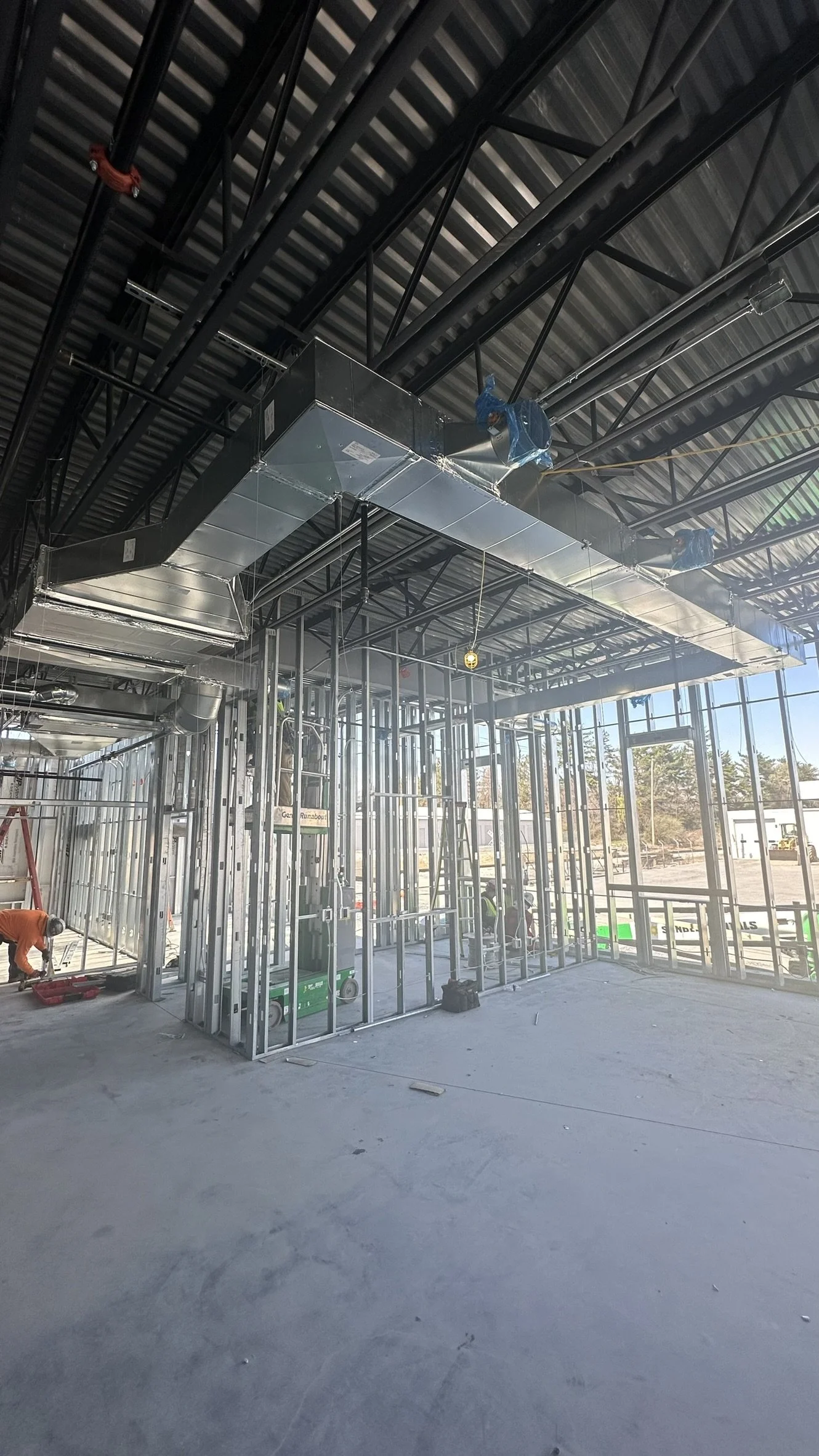
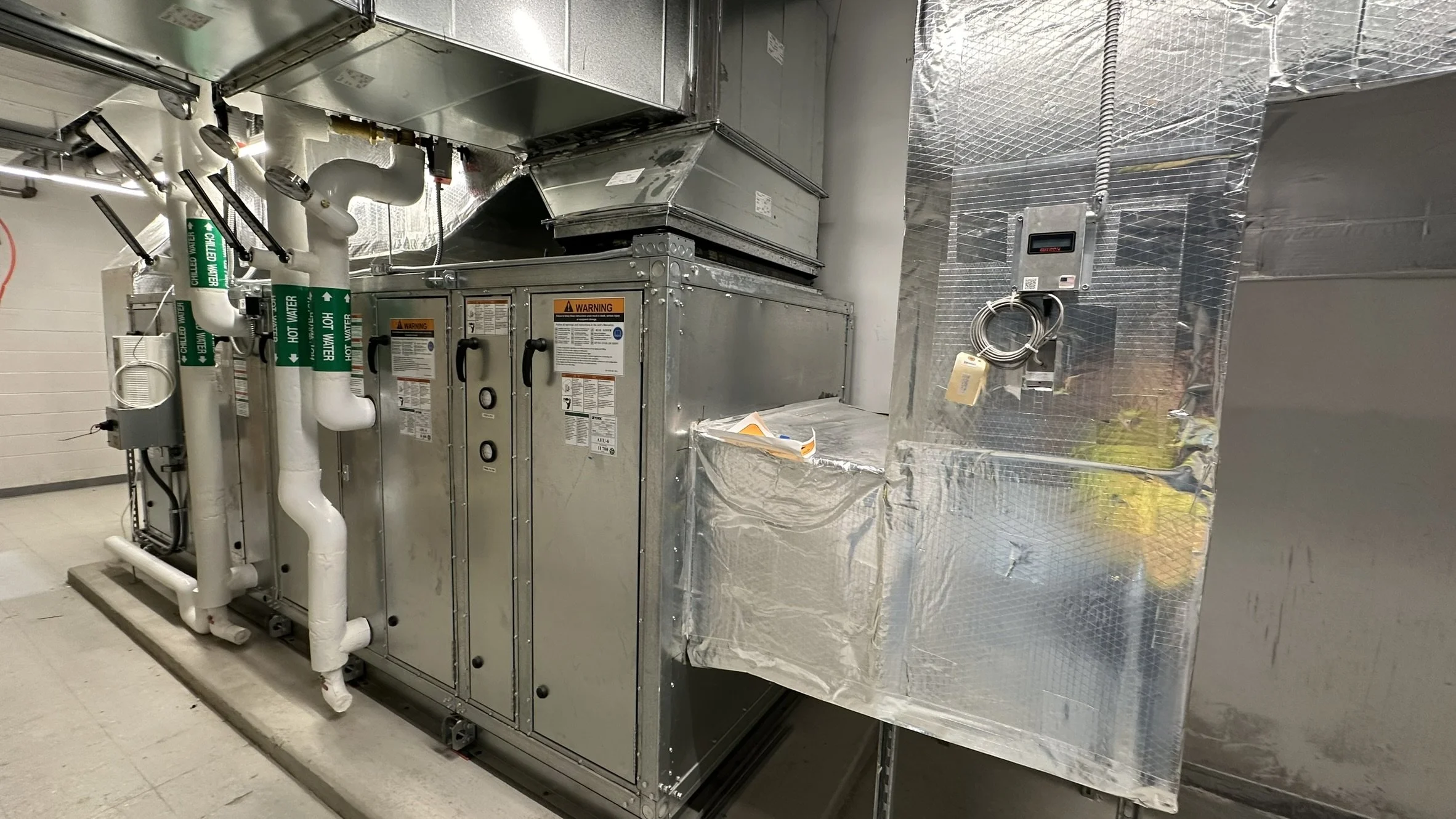
At Daikin Applied’s new office building in Verona, Virginia, much of the most important work will eventually be hidden behind walls and above ceilings. That makes the rough-in phase a critical point in the project. Plumbing, piping, and ductwork must be placed accurately now so the finished systems can perform reliably for years to come.
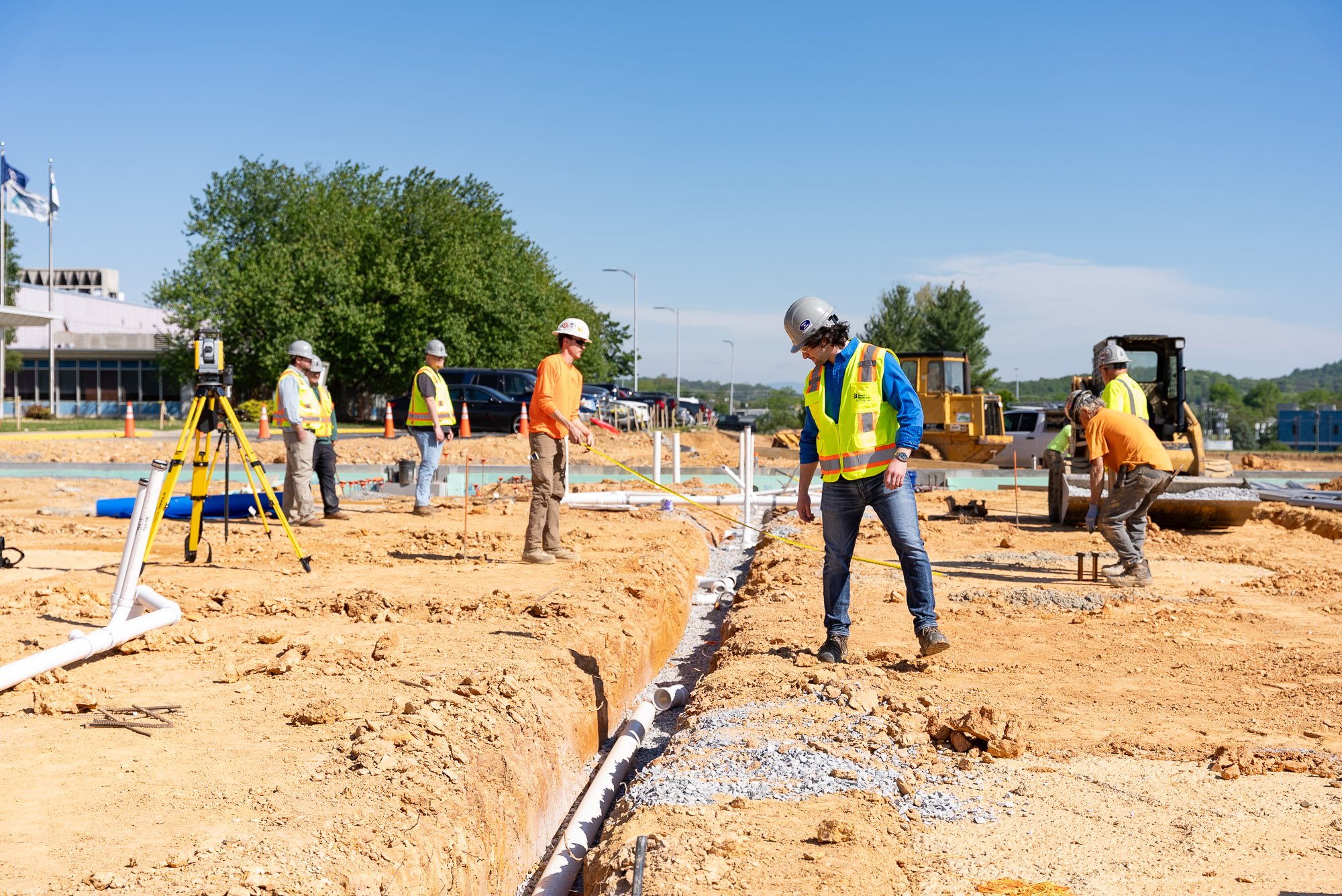
Phase 1 covered the underground plumbing our crews installed before the concrete slab was poured (read the Phase 1 story). In Phase 2, that same focus on planning and precision has moved overhead, as our crews install the piping, ductwork, and supports that will serve the finished building.
Building on an Accurate Foundation
The work completed underground in Phase 1 established the starting points for the systems now rising through the building.
Phase 2 extends that planning into the walls and ceilings. Piping and ductwork now connect to the underground systems, pass through planned chases, and reach the spaces they will serve. Because the layout was coordinated early, the framing could be built around the mechanical systems instead of forcing crews to route critical infrastructure through finished walls later.
That sequence reduces the risk of conflicts, rework, and schedule delays. It also gives each trade a clearer path to complete its work efficiently.
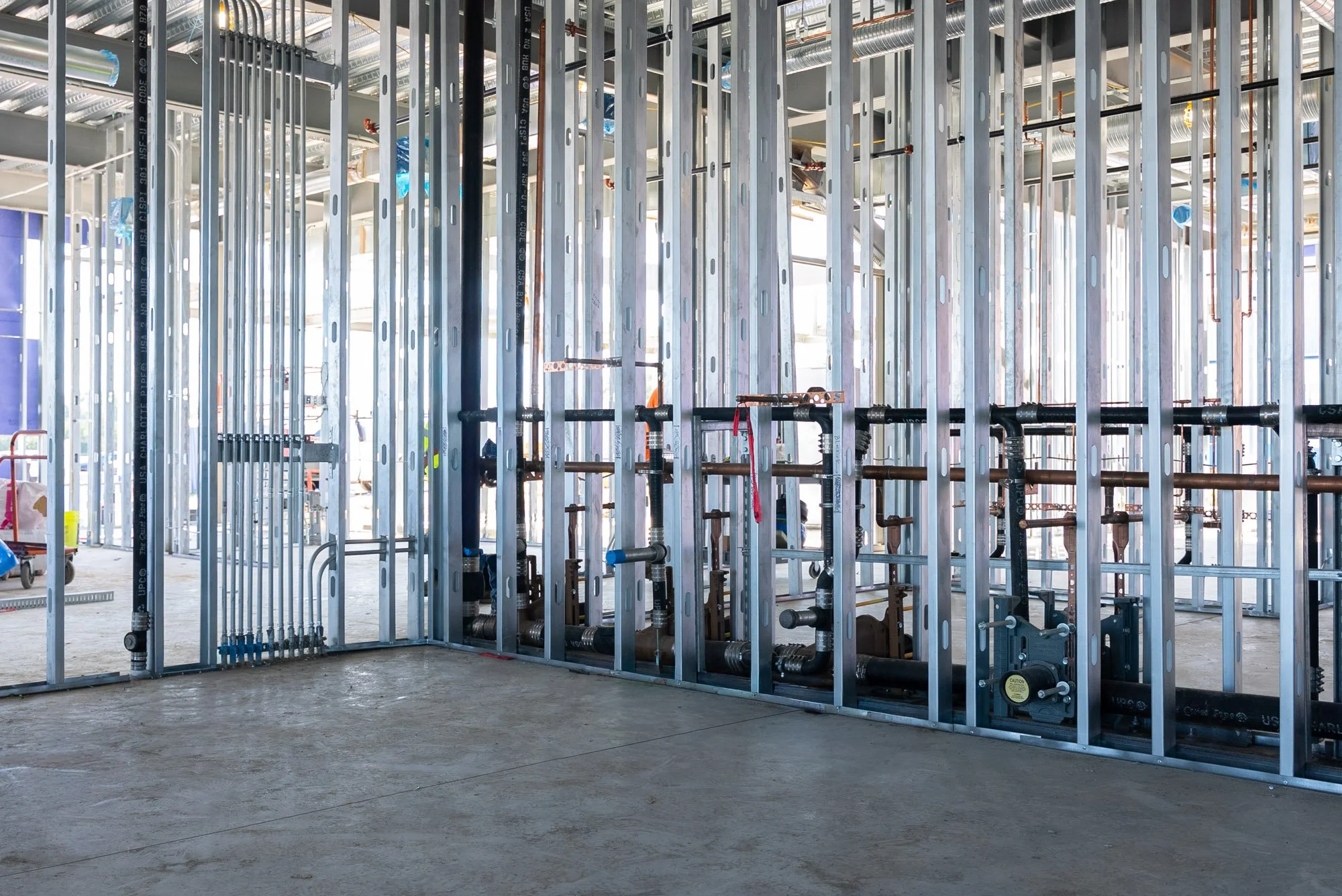
Bringing VDC Coordination Into the Field
On the Daikin project, Blauch Brothers used the coordinated model to map hanger locations across the deck before the walls went up. This gave the field team precise reference points for supporting overhead piping and ductwork.
With the surrounding structure and other building systems already accounted for, installers could follow an accurate plan instead of stopping to determine each location in the field. In this way, technology reinforces craftsmanship: the model provides a coordinated plan, and experienced field crews bring it to life through a reliable installation.
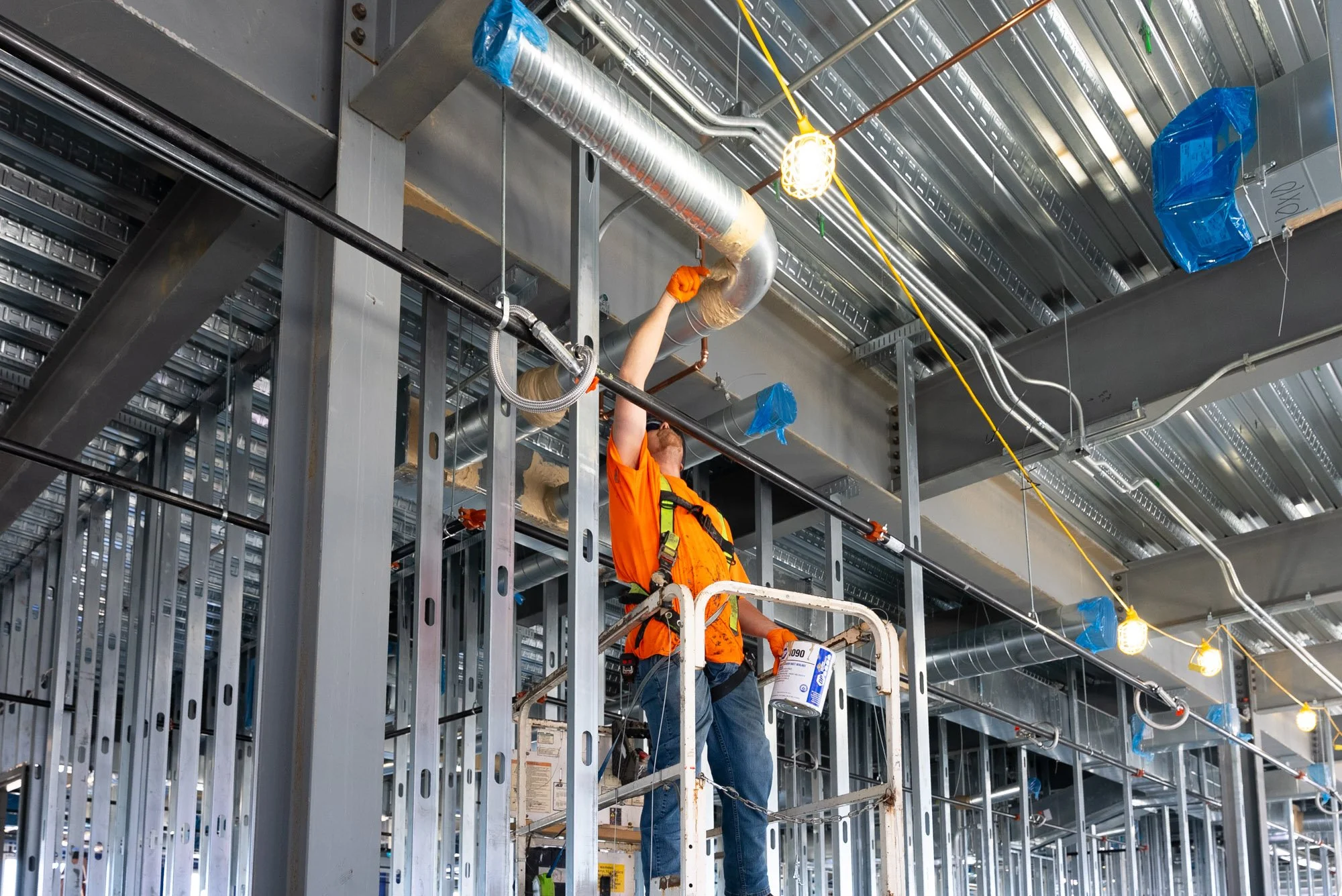
Early Access Keeps Construction Moving
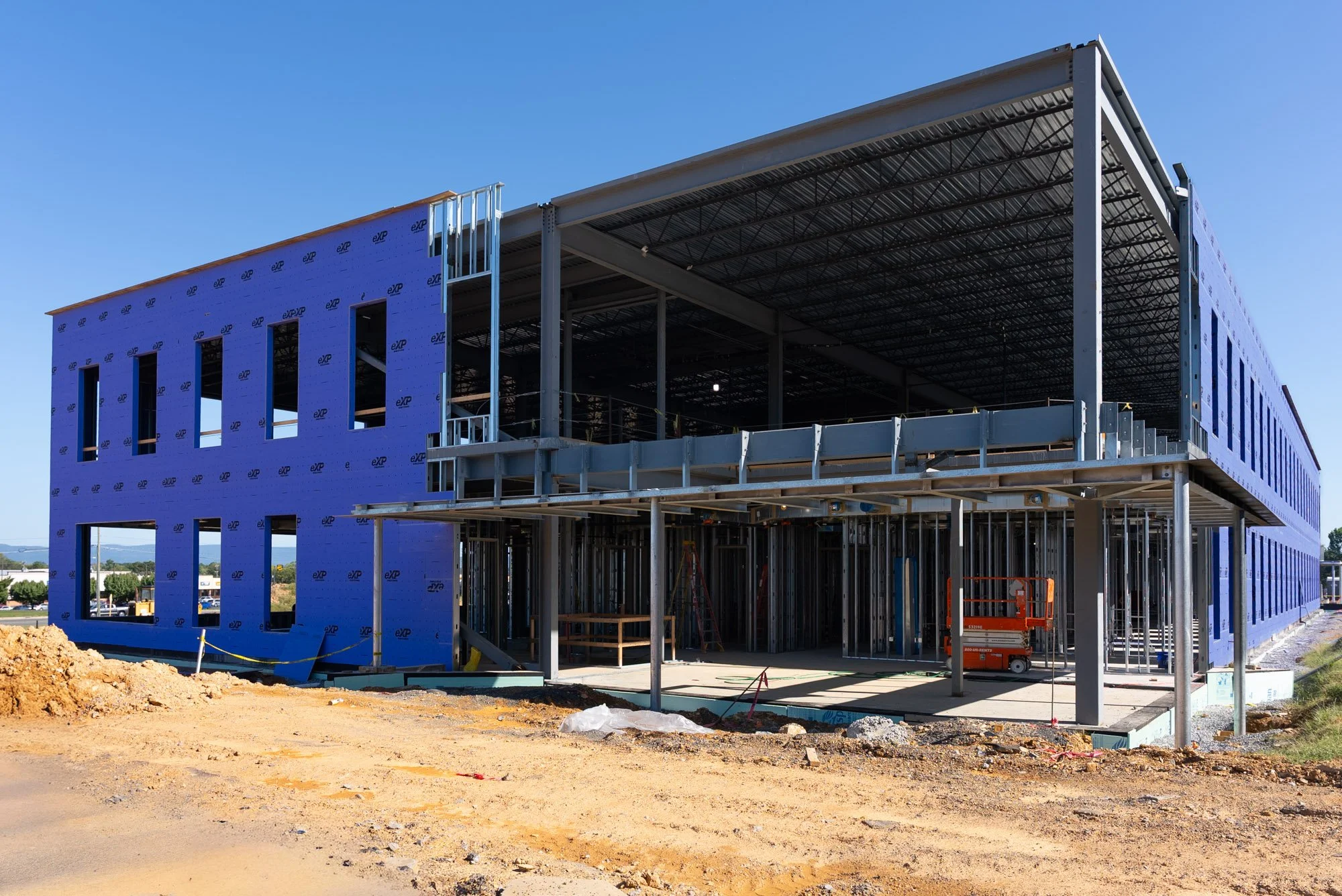
Strong planning only creates value when the project team can act on it. The general contractor, Lantz Construction, provided early access after the steel was erected, giving the mechanical trades an opportunity to begin before the building was fully enclosed. Because Blauch Brothers already had coordinated layouts and field systems in place, our team was ready to use that window.
The result was a more efficient sequence for everyone on site. Mechanical systems could be installed before later construction made those spaces harder to reach, and other trades could continue their work with fewer conflicts. That early coordination helped keep the project on schedule.
Successful commercial construction depends on collaboration, and it shows up in the details: layouts ready when access opens, conflicts flagged before they reach the field, and other trades kept moving. That is the role Blauch Brothers plays on projects like this one.
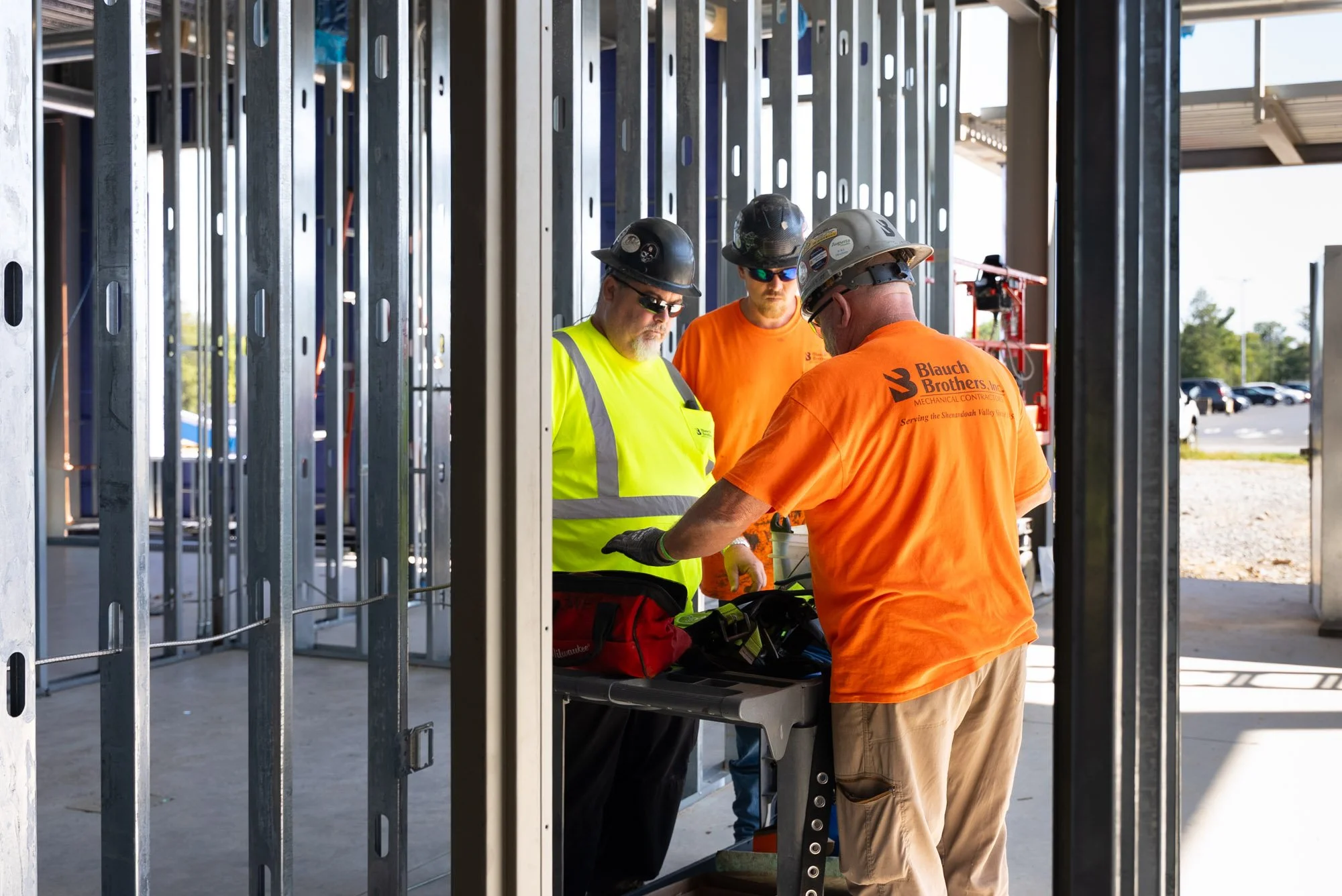
Planning for What Comes Next
Once walls and ceilings are complete, many of the systems visible today will disappear from view. The next phase will add the finished fixtures, equipment installations, and components occupants will see, including sinks, toilets, registers, and grilles.
Those components depend on the work happening now. The overhead piping, ductwork, and supports our crews are installing set the locations the finished fixtures and grilles will connect to, which is why accuracy at this stage matters for everything that follows.
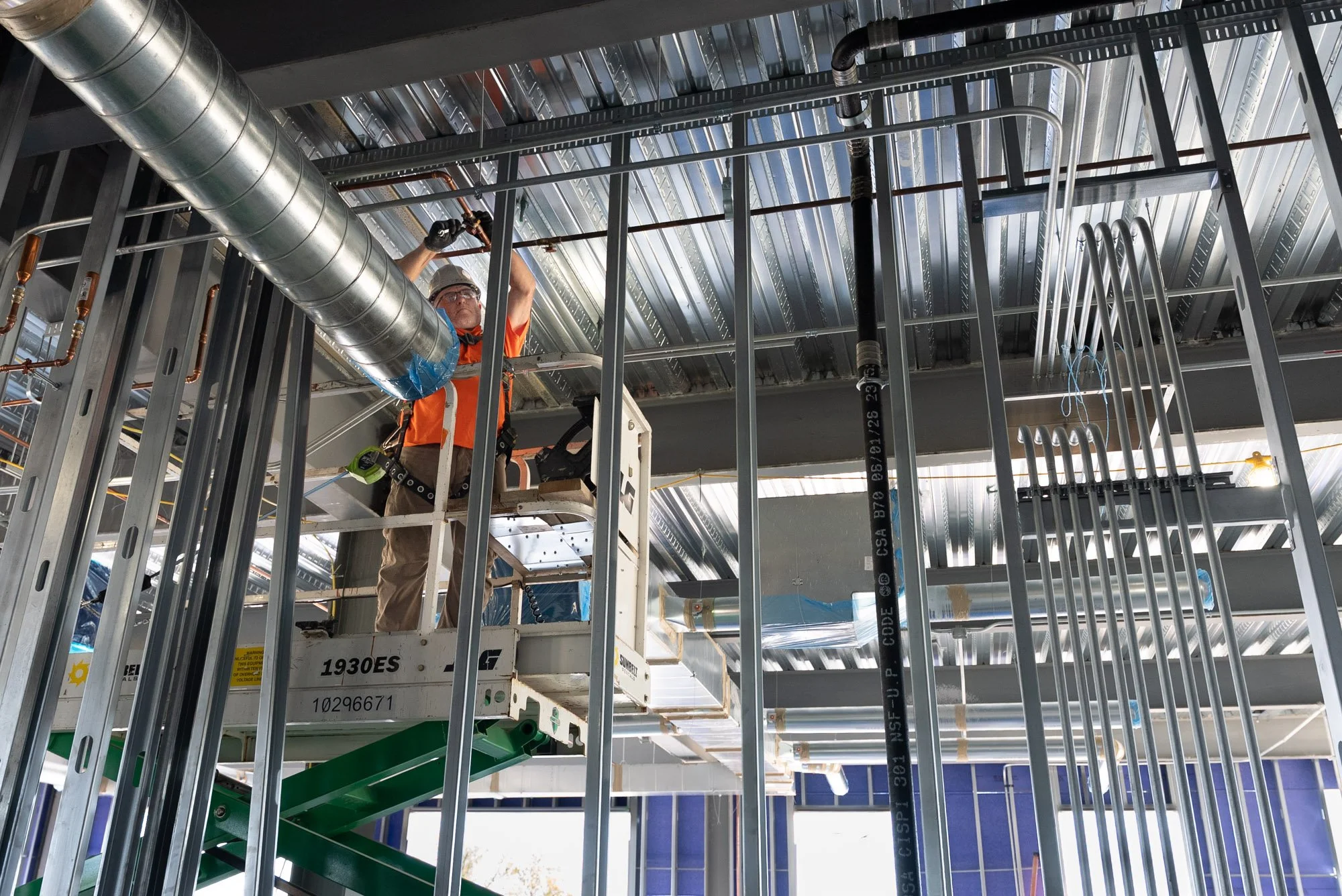
Mechanical Contracting Built Around Coordination
Since 1954, Blauch Brothers has helped commercial and industrial clients throughout the Shenandoah Valley complete complex HVAC, plumbing, and piping projects with confidence. The Daikin office project shows what that commitment looks like during construction: coordinated planning, accurate installation, productive partnerships, and a team prepared to make the most of every opportunity on site.
The best time to solve a mechanical conflict is before it becomes one. At Daikin, early coordination is helping the project move forward with the systems in the right place and the schedule on track. Watch the video on our website to see how early coordination keeps construction moving.